The Rif War (1921-1926) represented a complex conflict between Morocco and Spain, evolving from a limited confrontation into a large-scale bloody war.
According to a report by the Spanish site okdiario, the conflict's roots go back to Spain's attempt to maintain its influence after losing its major colonies in 1898, which led it to expand in northern Morocco under the protectorate system.
The Rif tribes fiercely resisted the Spanish presence, taking advantage of the rugged terrain and their knowledge of mountain paths.
Mohamed Ben Abdelkrim El Khattabi emerged as a leader with political and administrative training, succeeding in unifying the tribes and exploiting the Spanish army's weaknesses.
The confrontation peaked at the Battle of Annual in 1921, where the Spanish military system collapsed, resulting in the deaths of more than ten thousand Spanish soldiers, and Annual became a symbol of defeat.
With the threat extending to French zones of influence, France intervened militarily alongside Spain, and their forces carried out the Al Hoceima landing, a large-scale naval and air operation.
The war ended in 1926 with El Khattabi's surrender to the French authorities, but its effects persisted in Spain, and the Rif resistance became a reference for liberation movements worldwide.
The Rif War: From the Annual Defeat to the Al Hoceima Landing
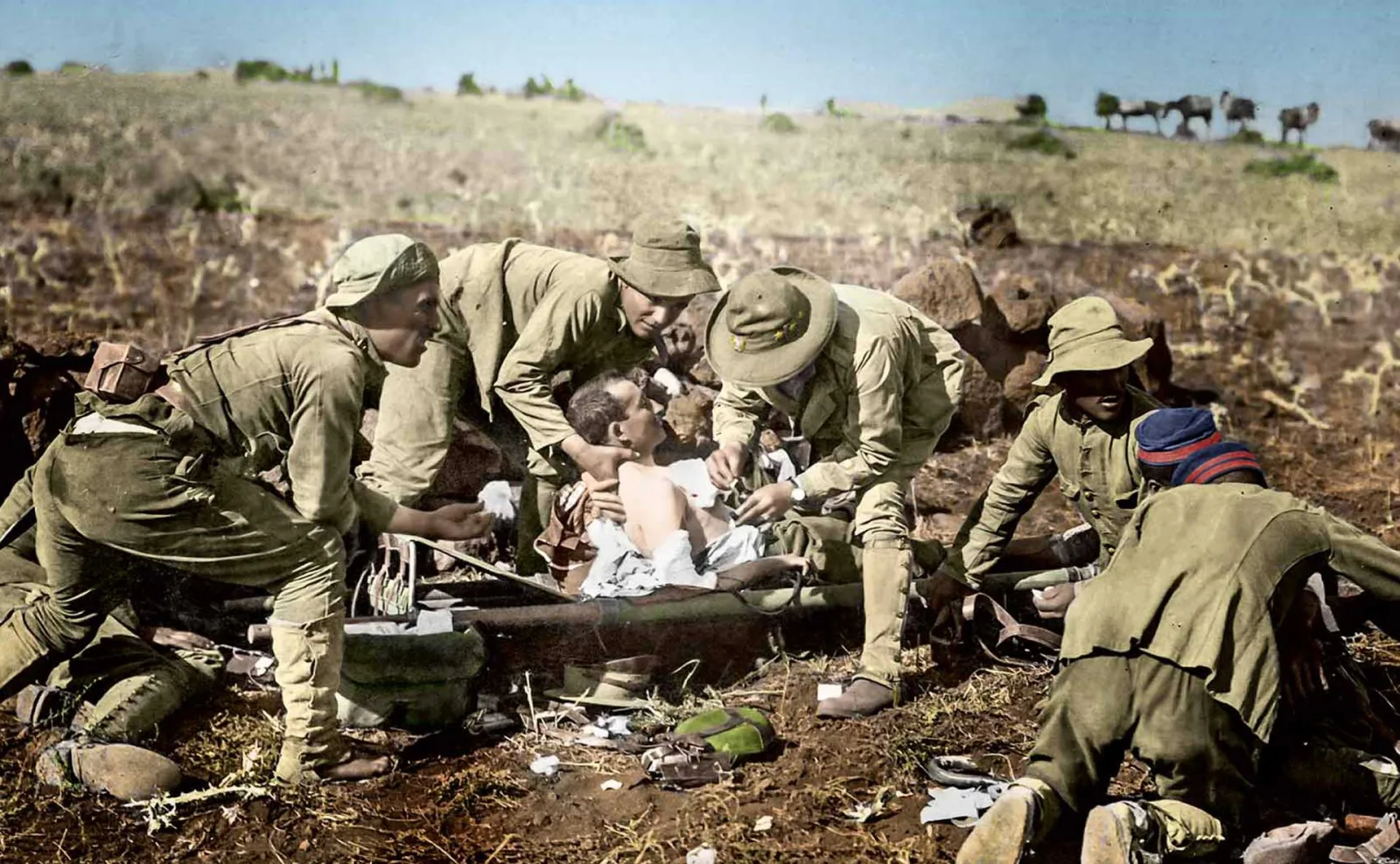
source: assahifa.com
Share
How do you feel about this?
Related news
More in Al Hoceima
Omar Aourag Appointed Regional Security Chief in Al Hoceima in Broad Security Move
The General Directorate of National Security announced on Wednesday, September 2, 2026, a new movement among security officials affecting…

Al Hoceima: Hanane Maâroufi Enters Electoral Race from Aït Youssef Ou Ali
In the province of Al Hoceima, a new candidate from the Justice and Development Party, Hanane Maâroufi, from the commune of Aït Youssef Ou…
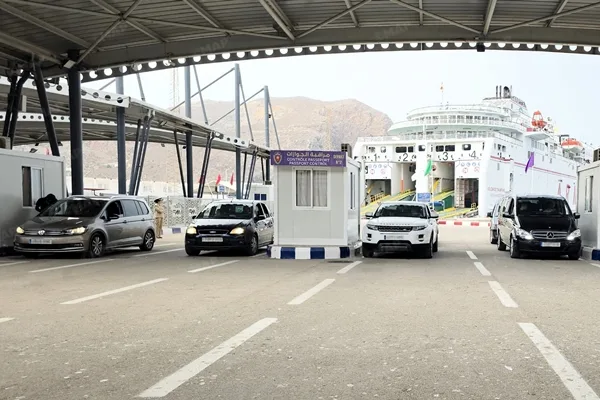
Marhaba 2026: Great smoothness in the departure phase at Al Hoceima port
Operation Marhaba 2026 continues under good conditions at Al Hoceima port, where the return phase of Moroccans living abroad to their…
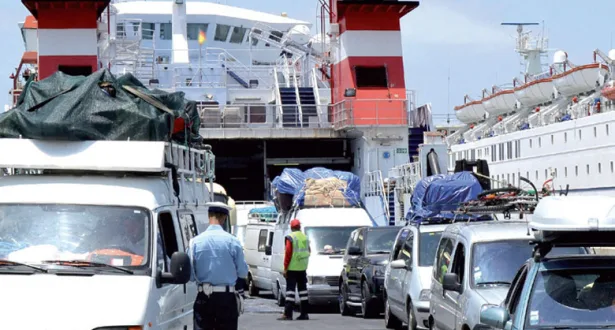
Marhaba 2026: Smooth Departure of Moroccans Abroad from Al Hoceima Port
Operation Marhaba 2026 continues with the return phase of Moroccans living abroad to their countries of residence via Al Hoceima port…
Comments (0)