A recent seismic study examined whether data recorded in the first hours after major earthquakes in Morocco can be used to estimate the likelihood of strong aftershocks.
The research drew on four sequences: three in Al Hoceima in 1994, 2004 and 2016, and one in Haouz in 2023.
The model uses the Gutenberg-Richter and Omori-Utsu laws to describe the link between the number and magnitude of quakes and the decay of aftershocks.
In one scenario, the probability of a magnitude 5 or higher shock in the following three hours was calculated from the first three hours.
Values vary: under 10 percent in 1994, roughly 20 to 30 percent in 2004 and 2016, and close to 10 percent in Haouz.
The researchers stress this is risk estimation after the main shock, not earthquake prediction, and that the probabilities alone cannot guide field decisions.
Study tests aftershock forecasting after Al Hoceima and Haouz quakes
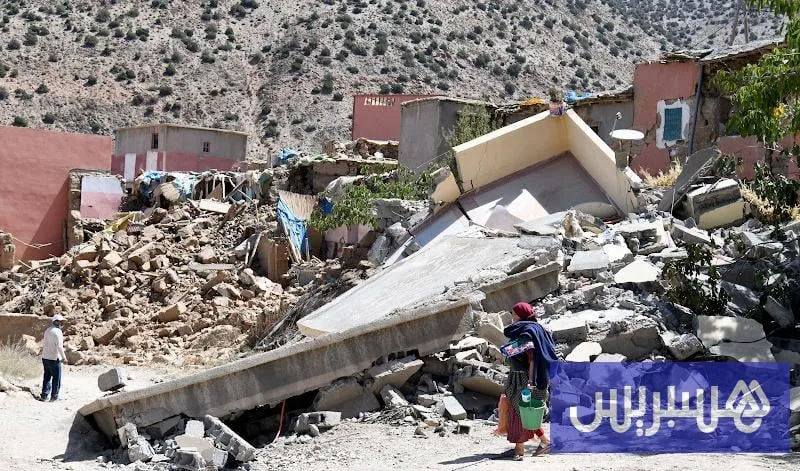
source: twaslnews1.twaslnews.com
How do you feel about this?
Related news
More in Al Hoceima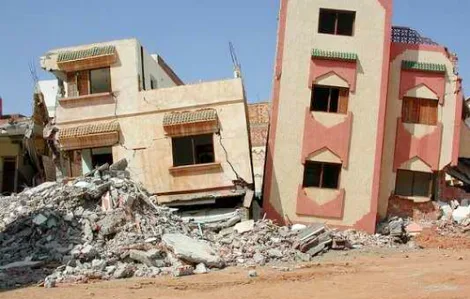
Study calculates aftershock probability after Al Hoceima and Haouz quakes
A recent seismic study concludes that data from the first hours after major earthquakes in Morocco can be used to estimate the probability…
In Al Hoceima, USFP campaign bets on proximity
تواصل حملة عبد الحق أمغار، وكيل لائحة الاتحاد الاشتراكي للقوات الشعبية بإقليم الحسيمة، جولاتها الميدانية عبر عدد من الجماعات القروية…

PAM election caravan tours communes of Al Hoceima district
نظم حزب الأصالة والمعاصرة جولة انتخابية واسعة بدائرة الحسيمة، قادها وكيل اللائحة المحلية محمد الحموتي بمشاركة مئات المناضلين والمتطوعين،…
Comments (0)